
Featured

Is Too Much Media Coverage Killing the AFL?

I will raise my hand and identify myself, up front, as a passionate, life-long AFL supporter and fan. I struggle to get, even vaguely, excited about NRL’s State of Origin. Trying to understand the decisions of the referees in Rugby Union has me scratching more than my head. Soccer, in my opinion, lacks scoring and body contact. Basketball is one of those overhyped American sports, which is more mouth than action. AFL has it all: full body contact, speed, sublime skills, thrills and spills. It is the game for me, but, is too much media coverage killing the AFL?

Wall to Wall Opinion & Analysis

It seems like only yesterday, but was probably twenty plus years ago, when the footy was rarely on the TV, apart from the matches themselves. A Sunday morning review show on Channel 7 and 9, and that was about it. Now, AFL has its own dedicated channel on Fox, with wall to wall opinion and analysis. On the Couch, AFL 360, On the Mark, Bounce, Open Mike, The Beep Test, The Weekly Lowdown, Saturday Stretch, and Bob are all on Fox Footy. The Footy Show on 9 has been around forever. 7 has Talking Footy, The Front Bar and Gameday. I am sure that I have missed a number of shows on community stations and state-based programs as well.

If Something is Worth Saying, Say it Loudly

All of these programs are populated, in the main, by ex-AFL players as their talking heads, with a few savvy TV hosts thrown in for good measure. The gameday coverage itself on Channel 7 and on Fox contains around six or seven commentators and specialist boundary riders for each match. To say that the coverage is brimming with ‘so-called’ expert opinion is to do a disservice to the concepts of overflowing and capacity. Ex-Players like Dermott Brereton, Dwayne Russell and Brian Taylor believe in the principle that if something is worth saying it is worth saying loudly. Sports commentators of all persuasions, AFL, NRL, rugby and soccer, back the booming voice to silence any doubters. The question must be asked, however, do all these shouting sages contribute to make watching the game a better experience?

The Game is Lost in a Sea of Overhyped Opinions

In my view, the game is lost in a sea of overhyped opinions and platitudes. These blokes, and they are blokes in the main, are paid well to proffer their opinions. On this basis alone, I surmise that they feel the need to emphasise what they are saying on air. Pronouncing each syllable of every word with gusto, and in BT’s case stretching vowels and syllables like OR-AZ-IO FAN-TA-SIA for his own amusement. I must admit that I enjoy BT’s vocal histrionics, simply because they are so silly. The amount of hot air being generated by these sports commentators should be enough to power one of those failing coal powered stations around the nation.

The Coverage is Sucking the Oxygen Out of the Sherrin

There are concerns being raised about falling attendances for the AFL in Melbourne, its heartland. Plus, lower TV ratings for matches, when compared to the same time last year, have been recorded in 2018. Industry pundits and ‘so-called’ experts are confidently predicting major rule overhauls to combat congestion and lack of end to end scoring. These ex-players are singing from ‘the golden years’ song sheet, when high marking and free-flowing footy, apparently, graced our ovals. I, personally, reckon that memories like these are always washed in a rose-coloured glow and things were never quite as rosy as believed. I don’t think there is much wrong with the game itself, but the coverage is sucking the oxygen out of the Sherrin, right before our eyes.

Let the Game’s Natural Poetry Speak for Itself

Let the game’s natural poetry speak for itself and let’s put a sock in the mouth of overblown commentators like Anthony Hudson and Dwayne Russell. It was always a point of difference for me that AFL did not need the lungs and larynx of a Darrell Eastlake or Ray Warren to make our game infinitely watchable. I miss the measured punning of Dennis Cometti terribly. There are too many talking heads on the footy shows, with too few worthwhile things to say. There is a surfeit of faux analysis concerning gameday strategies, which must have the coaches rolling their eyebrows back, if not an extra man in defence. There are some good operators on TV, I like Matthew Richardson and Tim Watson, these are two examples of keen intelligences who don’t need to shout out their stuff to get their message across. Footy coverage, just needs some pruning to make it less of a talkfest and more of a spectacle once more.

Let’s not let Rupert Murdoch turn coverage of the AFL into a copy of the “American-style’ overblown NFL, where the media runs rampant like a gunman in a US school. Restraint is called for, now and into the future, in regard to the media. Too much media coverage is killing the AFL.



Social Media Saving Lives

There are a lot of negative stories in the press about social media. At the forefront of these are reported acts of cyber bullying on social media platforms like Facebook, Instagram and Twitter. When these involve children, it is especially worrying for parents and carers of kids in our community. There are, also, ‘so-called’ trolls out there in cyber land anonymously attacking people who are in the vanguard of our society, may they be celebrities, football stars or politicians. Social media provides a screen for those who wish to comment or pillory others without any real scrutiny of their actions. These failings, among others, are reported with relish by the mainstream media and social commentators. Social media saving lives, as a story, does not get much of a run.

The Internet Has Largely Undermined the Economic Foundation of Traditional Media

One thing needs to be remembered when assessing traditional media coverage. What is in it for the author or publisher? Everyone in this world is pushing their own wheel barrow. The Internet, and forms of it like social media, have largely undermined the economic foundation of newspapers, magazines, and to a lesser extent TV networks. Journalists have lost their jobs in the tens of thousands, all over the globe. You would not say that publishers, editors and journos are big fans of what the digital age has done to their professions and livelihoods. Their commentary and focus on the negative aspects of social media must be seen in light of this.

Social Media Campaign Fighting the Devastating Effects of Bush Fires in Australia

There are, however, many positive stories involving social media. Indeed, social media saving lives is not an uncommon occurrence. In Australia, during bush fire season, we regularly witness lives and homes being lost to the ravishes of fire. A social media campaign run for the NSW Rural Fire Service was able to double their communities on Facebook and Twitter, which allows them to inform their followers of dangers via these social media platforms during bush fire season. This means many more people being instantly informed of a bush fire’s status in relation to their own homes. More of these kinds of approaches, utilising the popularity of social media platforms like Facebook for crisis communication, have been taken by emergency services throughout Australia in recent years.

Social Media in the Management of Natural Disasters Globally

Social media in the management of natural disasters and in war zones has been highlighted globally in the last decade. Digital technology in the form of mobile phones and social media has been a life saver in many third world countries undergoing natural disasters and armed conflicts. In the Arab Spring in Egypt, parties from all sides utilised social media to communicate with their members and the world’s media. Social media is not some silver bullet in these terrible events and atrocities, but it is providing a platform for rapid mass communication during crises. Social media saving lives is definitely on the global agenda.


Social Media is it Now an Essential Part of Life?

Social media for many older Australians has been a curiosity, at best, and a wait and see prospect for many in business. It is loudly trumpeted by large sections of the community and either praised or demonised at various times for its acuity. Some of us thought and hoped that it might fade away in time, but this looks increasingly unlikely. Younger Australians have embraced it, as they do most trends and novelties at that age. Belonging to a group or tribe seems to be an important element in adolescence and early adulthood. Social media is it now an essential part of life?

A Vital Component in the Marketing Arsenal

Businesses have been told that it is, now, a vital component in their marketing arsenal. That it is a space where conversations can happen between businesses and customers (I thought that was what the telephone was for). Announcements can be made by businesses. Feedback can be given by the deliriously happy and the disgruntled. Facebook, Instagram, Pinterest and Twitter have all provided platforms for this exchange of information and opinion. At times of course, these innocent stages have been gamed by nefarious agencies via bots and bought followings.

Facebook & Cambridge Analytica

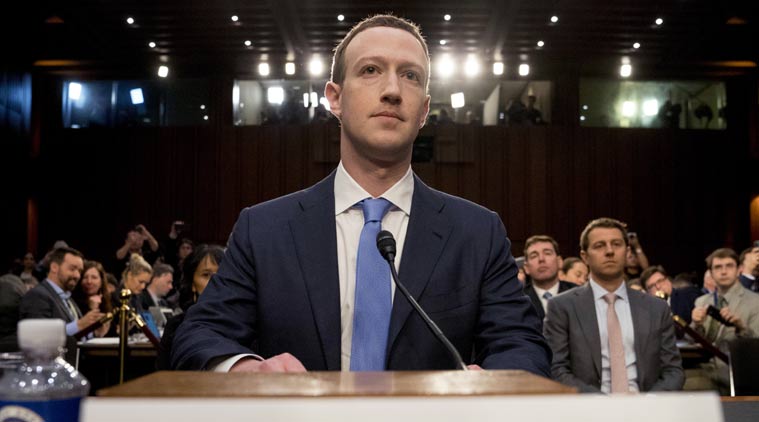
Facebook has famously sold our data to scumbags in suits like Cambridge Analytica (how the dons at that august institute in the city of the same name must loathe this organisation). Mark Zuckerberg, the founder and CEO of Facebook, disputes this data selling fact, telling Congress, that they place ads where advertisers want to reach specific demographics. Third-party apps can, however, gain access to this data, and this was how Cambridge Analytica got hold of it. Facebook lost control of yours and my data and it ended up in the hands of these political black hats. Have we put our trust in technology, naively?

Get Expert Advice Before You Take the Plunge

Social media is it now an essential part of life? It is definitely a two-edged sword, to use an old analogy, because a bundle of likes can feel good, but, similarly, a tidal wave of hate and complaints can, potentially, send you over the edge. Do not approach social media like Mr Smith going to Washington, get some expert advice before you take the plunge. It can be a slippery slope for the uninitiated. Businesses and individuals can get burnt before they know what is happening. Something seemingly innocuous can be akin to the terrors of the old school yard, when bullies and gangs were a part of life.


Social Media Trends to Take Note of in 2018

Some folks have ignored it and hoped that it would go away. Others embraced it from the start and have taken the journey from platform to platform and everything in-between. Social media it is more than a whisper on the wind, more than idle chatter in the classroom, and, yet, not quite the medium for a marriage proposal or denuclearisation treaty with North Korea. Here are some social media trends to take note of in 2018.

More Fake News & Fake Pictures

#FakeNews has been in the news, almost constantly, since #DonaldTrump entered the White House. Fake images will be ramping up their presence across social media, as the technology to do this becomes more available to more people. You can reverse image search using Google Images, if you suspect some digital fakery at play in your news feed. Fake pictures on Facebook, seem to have made their home there. The Russians perfected the Photoshop manipulation on social media platforms for the 2016 US election. It seems the same stupid people who used to watch TV are now on Facebook instead. Social media platforms lack gravitas, especially when it comes to the news. People are more willing to believe all sorts of whacky stuff over the internet. The internet seems to invite fraudulent behaviour in the same way that a few drinks in your local bar invites promiscuity. I don’t know what it exactly is that people believe the digital realm to be, but sacrosanct is not one of those beliefs.

Does Social Media Distort Our Reality?

Perhaps, social media is considered to be one mega celebrity supermarket magazine, where everything fake is celebrated. Air brushed images have made way for complete Photoshop overhauls. The idea that the whole world is armed with cameras via their smart phones and can record crimes and misdeeds for the benefit of humanity, tends to break down in the face of rampant misuse and manipulation of the technology. Through a glass darkly, or through a Samsung lens, the world is a different place. Social media is distorting our comprehension of reality by compartmentalising it into likes and followers. Your news feed is feeding you stuff designed to be easily digestible, whether it is true or not.

It’s Egalitarian & Personal

Traditional news, in newspapers and on TV’s current affairs type programs, has always exaggerated the shocking and the negative in a bid to sell newspapers and attract high ratings on the small screen. Social media has bucked that trend via its egalitarian nature and personal networks. It may be banal, and it usually is, and it is, of course, a far more visual medium with users more inclined to snap an image with a catchy title than penning an essay on any topic. Marketers want to make it a torchbearer for their brands, but it remains a communication device for members of communities.

If we can encourage a sense of social responsibility among users of the internet and social media, in particular, then, it may survive and thrive beyond sensationalism. If we don’t, it will quickly become an obsolete plaything for morons and degenerates. Twitter, some say, already is.


Children on Social Media: Never Is Best Practice


It is an undeniable reality that our children are growing up faster than ever before. Young children are introduced to their sexuality ahead of time, through things like fashion and the media. Technology is in the hands of 4 and 5-year olds, via TV and computer screens. The incessant digital world is all around our kids, blinking 24/7 on screens large and small. Pixels and bytes forming shapes, colours and sounds are telling stories and mirroring our lives in weird and wonderful ways. What about children on social media? Is never the best practice?


Social Media & Our Kids


Children think it would be wonderful to have lots of friends. Imagine if you could have more friends than you can fit in this room or this house. The more the merrier is their lovely and naïve conception of that reality. In truth, friends or acquaintances can turn on you at the slightest provocation in the realm of the digital world. Virtual forums on social media disguise the identities of their members. The internet is a fraudulent place, where who says what bears little resemblance to any forum in the flesh and blood real world. There are adults pretending to be children online. Sexual deviants pretending to be your caring friend. Criminals attempting to discover financial information about possible targets for their frauds.


We Must Be Vigilant on Behalf of Our Kids


Kids must be protected from the nefarious elements prevalent on social media platforms. It is not a game to be played by human beings of all ages. This world wide web has plenty of spiders lying in wait for the innocent and unwary. Whilst there are bad people doing nasty things to other human beings, we must be vigilant on behalf of our kids. We must respect the privacy of child care centres to ensure the safety of their attendees. All institutions and facilities that cater for our kids must be adequately protected 24/7.

Social Media is an Adult Conversation

Social media is an adult conversation. It is a free for all between consenting adults. It can be productive, and it can be very negative. It takes the qualities inherent within us all and magnifies those on a much larger scale. It turns micro into mega, intimate into a stadium experience. It involves uncommitted participants in an exchange of opinions. It takes a digital impression of what may or may not be a person and asks you to play along with the charade called social media networking. Children on social media: Never is best practice.


Social Media Safety: Are Your Teenagers Safe on Social Media?

It is a sad case of affairs that human beings, whatever their age, are subject to destructive bullying and vitriol online. The internet is home to faceless cowards venting their bile over platforms like Twitter and other social media platforms. Social media safety: Are your teenagers safe on social media? The simple answer is no, unless they are as thick skinned as a rhinoceros. I do not suggest to parents that they blithely find out if their kids are tough enough, but rather, be vigilantly aware of what is going on in this virtual forum. This online playground, where the knocks can come unseen and with devastating force.


Adolescents on Social Media & the Dangers


Social media is intensely attractive to many teenagers, because it promises the allure of the attention of others and their approval. However, what can transpire is the exact opposite. Your teenager may suddenly face group ridicule and denigration, which can occur 24/7. The pack can turn on one of their own and rip all sense of self-esteem to shreds in that benighted individual. Most adolescents do not have the survival skills to cope with en masse bullying. Suicides are not uncommon in the resultant fallout from these online attacks.


Kids on Twitter & Facebook Can Suffer


Some in the community say that this a whole lot of rubbish and refuse to acknowledge the seriousness of the problem. Burying our heads in the sand. when it comes to acknowledging how human behaviour is amplified by technology, will not serve us well in the long term. The privacy lobby resists unpopular safety innovations, when it comes to things like the internet. Social media safety issues around teenagers are very real and demand solutions. Kids on Twitter and Facebook can suffer irreparable damage and be lost to us.


Adolescents are Prone to Suggestibility


Social media is, also, a forum for cultural exchanges and influences; many of which are based on incorrect facts and fear mongering. Our teenagers are being influenced by social media trend setters and much of what they have to say is unhealthy, to say the least. Adolescents are prone to suggestibility and anxieties about body shapes and their sexuality. The incessant nature of social media makes it particularly dangerous to the young and inexperienced. Kids fear missing out on things and social media can reinforce those anxieties. Make sure that you are having regular conversations with your kids about their social media usage and experiences.


Can Your Social Media Profile Affect Your Job Prospects?

We live in an age of digital records permanently diarising our lives, and we are ourselves complicit in that process. Our identities are emblazoned in pixels and bytes, producing profiles for all to see. Mothers should tell their children that, “Facebook is forever!” It is a digital tattoo of everything that you may have once thought hilarious to share online with friends and…. (wait for it) strangers. Your prospective employers will scan your social media profiles; this is now de rigour for those trained in human resources. Corporations want to know who they are investing in and whether they have any stains on their character.

Can Your Social Media Profile Affect Your Job Prospects?

Of course it can and does every single minute of every single day. As the HR person weighs up the pros and cons of all the candidates before her or him, who are they going to choose, the crazy pisshead or the cleanskin? What do you think? It is all about risk management inside the company. If they could employ robots that worked 24/7 they would if the price was right. Robots are just currently too expensive in many fields, but the self-scanning aisles at the supermarket should give you some idea of the future ahead.

Remember strangers do not know the real you, so, they cannot balance out your behaviour highs and lows like intimate friends can. Facebook is a book of pictures, a digital photo album with annotated text, short videos and such; but most importantly it is open to the world at large in most instances. It is an invitation to strangers to come and peer into snapshots of your life. Everything you write, say and show goes on public trial. Sydney employers will be sifting through your posts and pages in judgement upon your character.

Can your social media profile affect your job prospects? You better believe it baby! Think about the stilted conversations you have with your employers when you first meet them. They do not really know you from a bar of soap, but they hope that you are squeaky clean. Foul Twitters from you, what kind of impression does that give? Obscene Instagrams and dirty blogs, are these the signs of an exemplary employee? They do not think so. Psychologists refer to your ‘shadow side’ because it is meant to remain in the shadows, not dance a jig centre stage. Flashing a brown eye in public is not an endearing habit in the eyes of those who seek to judge you. Remember what your mother should have told you – Facebook is forever, you dolt!


Social Media Risks and Security in Australia

How secure is your use of social media online? Many of us use social media to interact with friends, family and acquaintances, but just how secure is our use of that medium? We have probably all heard stories about bosses monitoring their workers Facebook pages and people getting sacked for posting information and/or opinions about the business they work for. And those who take ‘sickies’ and then post pictures of themselves having a good time when they are supposed to be ill.

Are you releasing far too much information into the public sphere without considering the use of it by nefarious types? Burglars, who might be casing your joint, watching your street, can now find out about your impending holiday online with not too much trouble. Defrauders, who are everywhere on the internet, can plan strategies tailored to your hobbies and interests gleaned from social media. Social media posting can lead to defamation action if you are not careful. Every digital footprint that you leave is increasing your potential exposure to crime and unwanted attention.

Is it more risky for women than men? Women, generally, have more to fear than men from online stalkers and sexual perverts. Obsessed men watching your every move, can now, also track your social habits and activities. Innocent behaviour posted on Facebook, Instagram, Twitter and blogs can lead to unwanted attention by weirdoes. It is sad that we must consider these security issues when we are sharing online. Be careful with online dating because most people are not who they appear to be in this sphere. But what about kids and paedophiles? Yes there instances of online grooming using social media like YouTube.

Remember to lock up your property in the real world and protect your identity in the digital realm. Contact a locksmith if you do not have adequate security measures in your home, business or car. Better to be prepared for any eventuality than to blithely ignore the awful things that you hear on the news and read in the papers. Social media and security risks in Australia are very real and police are asking people to pay heed to their warnings.

The Internet is a desensitised world, meaning that you cannot trust your normal senses in this electronic digital universe. You are presented with images claiming to be this man or woman, but you don’t know who is really behind them. Stories are concocted and posted online, but they are often untrue. You cannot trust the data before your eyes and you cannot smell a rat online. Your ability to evaluate body language is completely blind online. Remember that and be prepared.

Dating Sites: Which Ones Use Social Media Best

Dating Sites

Loveless? Do not ever throw away your expectations. The advent of dating sites and social media presents the perfect solution to humankind intimate concerns. The trend seems to be on the rise and amongst them all, here are the top dating sites around the world that use social media best.

1. Match

www.match.com has been around for almost 20 years. Currently it has presence in over 25 countries, cutting across all the five continents in 15 different languages. It incorporates the use of mail messages, games, instant messenger, mobile apps, Facebook linking, windows live ID integration, amongst many other communication tools. No matter where you live, you can easily find your best match.

2. Sense2love

www.sense2love.com is an exceptional matchmaking platform that integrates social networking trends with traditional matchmaking traditions. Members will join per invitation. This can be either as a single looking forward to finding a partner or a matchmaker aiming to connect single friends, thus bringing their social circle along. The site operates on the principle that our great love often lies within our social network. It’s an exceptional path to finding true love.

3. Friendfinder

www.friendfinder.com is a unique online community that will keep you coming back for more. It’s packed with plenty of attributes you could ever wish to find on a dating site, including blogs, chat rooms, message boards, forums, online magazines, and linking to your social media profile. With it you can scout your social media network and possibly come across your dream match. It’s the ideal online dating sites that fully capitalizes on social media networks, which explains its huge presence online.

4. Lavalife

Launched in 1997, www.lavalife.com is based in Toronto, Canada with widespread presence across the United States, UK, and France. Since its upgrade which brought in an array of brilliant features, including excellent communication platforms that involved the use of social media profiles and linking, it has been able to reach 15 million registered members. Its popularity, not only on the web, but across a good number of social networking sites like Facebook, Myspace, and others makes it a flourishing online community.

5. Scout

Scout is currently regarded as the latest global network for meeting new people and also one of the best online dating sites in social media. It will allow you to scout out for people in your area with the use of GPS positioning. Majority of the social media companies are trying to get more people actively involved through this technique. The fact that it’s been successfully integrated into this dating service implies that there’s increased wider access to the audience, which is why the site tends to have millions of members.

Social networking sites boast millions of people with diversified interests, dating being among the top. With the integration of dating sites into them, you have the option to combine both and capitalize on the prospects of finding your dream partner. Find your match today.

SharePoint Online: A great tool for Small and Medium Enterprise

SharePoint Online is a Microsoft cloud service included as part of Office 365 or separately as SharePoint Online. It provides a comprehensive framework for integrating internal communications, content management, document management and enterprise search working seamlessly with Microsoft Office products.

SharePoint Online is tremendous value for business with 2-10 employees as it addresses the price point issue, it offers enterprise level software on per user per month subscription. It includes several features perfect for small or medium size businesses as it can grow with your business and does not require an upfront investment in infrastructure or licenses.

Reasons why SharePoint Online is great for Small and Medium Enterprise
1. SharePoint Online requires minimal startup costs. SharePoint Online does not sit on your own servers, does not require an enterprise license, and does not require Client Access Licenses (CALs). The cost structure is simple and does not include the hardware needed. Also, if your company is a nonprofit, you might get a significant discount from your local SharePoint and Office 365 partner.
2. Ease of Deployment – there is a significant amount of development needed up-front for your SharePoint implementation but anyone with basic HTML experience will be able to create and maintain pages. It is easy to customize the entire site with colors and fonts. There is no need to install and configure SharePoint like you would need to on your own server, it comes pre-configured with a single site collection ready to go, out-of-the-box.
3. SharePoint is best to be used as database – it allow organizations to create spaces online to upload and share important documents. SharePoint Online enables your employees to access their documents from anywhere using any mobile device. It’s particularly useful when your employees need to work remotely or from home.
4. Easy integration with existing system, the possibilities are almost endless with SharePoint online. It removes the need to email documents around or keep multiple versions of the same file – the old versions of a document are always available.
5. SharePoint Online in Office 365 now includes the ability to operate a simple public facing website. This allows you to build a very simple website using SharePoint. It’s particularly of great value to small businesses currently without a web presence. With SharePoint Online, your employees can create mini-sites and use them to share documents securely over the internet.
6. SharePoint Online (and Office 365) makes it easier to collaborate with suppliers and customers, which increase the ease of communication between businesses. This result in more business and return on investment.
7. SharePoint Online makes a low cost and simple option for creating and managing your company’s intranet. The tools for managing content are simple to use and familiar to all Microsoft Office users. Your tech savvy users can make use of more sophisticated features like content query web parts, calendar apps, news and announcements.
8. The licensing model of Office 365 and SharePoint Online, allows SMBs to just pay a fixed price per month for the number of users that are working on their SharePoint Online environment. If the business grows then they can just purchase more user licenses against a fixed price per month. So at the end, the price is very low for the use of an enterprise platform. The bottom line is that Office 365 lets Small and Medium Businesses have access to an Enterprise Platform at SMB Pricing.

Large or small, every business has a different way of working. WebVine can tailor a SharePoint solution to meet the modern needs of your business, your demographic and your industry. Contact WebVine today on 1800 022 990 for a free SharePoint consultation.