
Is Google AI Overview Killing Your Traffic? Fix It with GEO, AIO & AEO

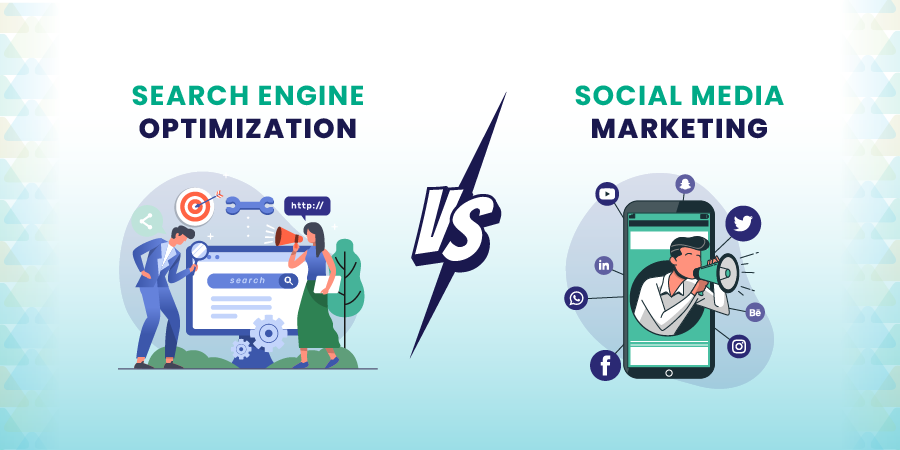
In the modern dental industry, marketing plays a pivotal role in attracting new patients and retaining existing ones. As more dental practices embrace digital marketing, two key strategies are often debated: Social Media and Search Engine Optimisation (SEO). Both approaches offer distinct advantages, but which one is better for dentists looking to grow their practice? This article dives into the key differences between Social Media and SEO, their unique benefits, and how dentists can use them to their advantage.
Search Engine Optimisation (SEO) refers to the practice of improving your website’s ranking on search engine results pages (SERPs). When a potential patient searches for “dentists near me” or “best dentist in Sydney,” SEO ensures your practice appears at the top of the list.
SEO for dentists involves several key elements:
On-Page SEO: This includes optimizing your website’s content with relevant keywords such as “dentist in Melbourne” or “cosmetic dentistry services.” Using the right keywords ensures that your site aligns with what people are searching for.
Local SEO: For dentists, local SEO is crucial. Many patients search for nearby dental practices. By optimizing your Google My Business profile, collecting patient reviews, and ensuring your website is mobile-friendly, you improve your local search ranking.
Technical SEO: This ensures your website is fast, secure, and easy to navigate, which are all ranking factors for Google.
Content Marketing: Publishing blog posts and articles on topics like “How to Improve Your Smile” or “Preventing Cavities in Kids” helps engage potential patients while improving your SEO ranking.
For more detailed strategies, check out our guide on Local SEO for Dentists.
Social Media Marketing involves using platforms like Facebook, Instagram, Twitter, and LinkedIn to engage with current and potential patients. Unlike SEO, which focuses on organic search traffic, social media allows for more direct interaction with your audience.
Key benefits of social media for dentists include:
Building Relationships: Social media allows you to connect with patients on a more personal level. You can engage with them through posts, comments, and direct messages. This builds trust and familiarity, which can lead to patient loyalty.
Brand Awareness: Social media is a powerful tool for increasing your practice’s visibility. Sharing posts about dental tips, behind-the-scenes glimpses of your practice, or patient success stories helps your practice stand out in a crowded market.
Targeted Ads: With paid social media ads, you can target your local area, demographics, and even interests related to dental care. This ensures that your ads are reaching the right people.
Patient Reviews & Testimonials: Positive patient experiences shared on social media can boost your practice’s reputation. A review on Facebook or a testimonial on Instagram can influence potential patients’ decisions.
For tips on how to improve your practice’s social media presence, be sure to read our article on Social Media Strategies for Dentists.
Both SEO and social media have their strengths, but the best strategy for your dental practice depends on your specific goals. Let’s break it down:
SEO typically provides long-term results. When your website ranks highly on search engines, it acts as a constant lead generator. A potential patient who searches for “dentist in Melton” and clicks on your website is more likely to convert into a patient, as they’re actively searching for a dentist.
However, social media is more about creating awareness. While social media posts won’t directly lead to someone scheduling an appointment, they can lead to brand recognition. Over time, as people see your posts, they may eventually think of your practice when it’s time to book a dental appointment.
SEO requires an upfront investment in optimizing your website, creating content, and possibly hiring an SEO expert. However, once you start ranking for key search terms, the traffic you generate is free, which can result in a high ROI over time.
On the other hand, social media can be free, but the organic reach on platforms like Facebook has declined. Paid ads are often necessary to get your content in front of your target audience, and the cost of advertising can add up quickly. However, a well-executed social media campaign can still deliver valuable results without breaking the bank.
Social media excels in fostering direct engagement with potential and current patients. You can have conversations, answer questions, and provide valuable content that resonates with your audience. This interaction can lead to increased loyalty and more patient referrals.
SEO, while incredibly powerful, doesn’t offer the same level of personal interaction. It’s more of a passive marketing strategy—patients find you when they search, but you don’t necessarily have a direct line of communication with them until they make the decision to book an appointment.
SEO is a long-term strategy. It can take months to see significant results from your efforts. Building a strong SEO foundation involves continuous content creation, backlinking, and technical improvements.
Social media, on the other hand, can provide faster results. With daily posts and regular engagement, you can quickly grow your following and see interactions with your content. However, maintaining an active social media presence requires consistent effort and creative content.
For dentists, local SEO is crucial. Local SEO ensures that your practice appears in search results when potential patients are looking for dental services in their area. This is especially important for businesses like dental practices, which rely heavily on local clientele.
Social media platforms like Facebook and Instagram allow you to target specific geographic areas with ads, but your organic posts won’t always reach people in your immediate vicinity. This makes SEO a better option for local businesses like dentistry.
Rather than choosing between social media and SEO, the best approach for dentists is to use both strategies together. By combining SEO with social media marketing, you can:
Increase Website Traffic: Use social media to drive traffic to your website, where potential patients can learn more about your services and book an appointment.
Boost Brand Awareness: SEO can help your practice get found on Google, while social media keeps you top of mind.
Enhance Local Visibility: By combining local SEO with geo-targeted social media ads, you ensure that your practice reaches the right people in your area.
Improve Patient Engagement: While SEO generates traffic, social media builds relationships, helping to convert visitors into loyal patients.
Both Social Media and SEO offer valuable benefits for dental practices, but neither is a one-size-fits-all solution. For more in-depth insights into how SEO can boost your dental practice, check out our guide on SEO Strategies for Dentists.
The key is to implement both strategies effectively. By optimizing your website for local SEO and using social media to interact with potential patients, you can create a comprehensive digital marketing plan that maximises your online presence.
SEO provides long-term, consistent growth by improving your website’s visibility on search engines, while social media helps with brand awareness, patient engagement, and immediate visibility.
Whether you’re running a boutique café in Melbourne, a dental clinic in Sydney, or a family-owned shop in Adelaide, mastering SEO and social media can put you miles ahead of the competition. In today’s digital-first world, it’s no longer enough to rely on word-of-mouth alone. You need to be visible online, right where your customers are searching.
In this guide, we’ll break down the best SEO and social media strategies designed specifically for Australian local businesses—with practical tips you can implement today.
Local SEO helps people nearby find your business. Think of it like a digital version of putting your café on the map or your dental clinic in the neighbourhood directory—except way more powerful.
For example, when someone types “best dentist in Warragul” or “organic cafés near me”, a well-optimised business will pop up first.
Tip: Start by claiming and optimising your Google Business Profile, including accurate contact info, business hours, photos, and customer reviews.
For example, if you’re a dental practice, consider reading our full guide on Social media vs SEO for dental practices.
Include your suburb, city, or region in your website’s content. For example:
“Dentist in Bondi Beach”
“Ethical café in Newtown”
“Hairdresser near Adelaide CBD”
Use these naturally in headings, page titles, and image alt text.
Example: If you’re running a café, check out our round-up of the Best New Sydney Cafes: Where to Find Them in 2025.
Most local searches happen on smartphones. Make sure your website is:
Fast loading
Mobile responsive
Easy to navigate with click-to-call buttons
Tools like Google’s Mobile-Friendly Test can help you check your site.
Add your business to popular Australian directories such as:
Each listing helps build your local authority and boosts SEO.
While SEO brings people to your website, social media builds relationships. It’s where your brand voice, community presence, and customer loyalty live.
Patients trust people, not logos. Share photos and stories of your team, patient testimonials (with permission), and even how you clean and sterilise equipment. This builds credibility and comfort.
Short videos are ideal for educating patients—like explaining teeth whitening, Invisalign, or kids’ dental care. It also positions you as a go-to local expert.
If you’re writing about how food impacts oral health, consider linking to The Impact of Spring-Summer Beverages on Oral Health.
Collaborate with local health and lifestyle influencers or community pages for shout-outs. Look for micro-influencers with high engagement, even if they have fewer followers.
Australians love their brunch shots and latte art. Don’t over-edit your content—keep it natural, bright, and timely. Showcase new menu items, barista skills, or your café’s vibe.
Want inspiration? Discover what’s trending in Where to find new cafés in Sydney.
Ask your followers: “What’s your favourite roast—light or dark?” or “What local pastry should we add next week?” Engagement boosts visibility and gives you market feedback.
Encourage customers to tag your café. Reposting their content not only boosts engagement but also builds social proof.
Pro Tip: Use location tags and hashtags like #SydneyCafe or #MelbourneBrunch to get discovered.
Feature customer feedback in your feed or stories. It reassures new customers and keeps existing ones happy.
Offer something specific to your area like “$50 gift card for locals in Fitzroy” or “Refer a friend from the Gold Coast & get a free facial.”
These help increase reach and encourage word-of-mouth online.
Use tools like:
Consistency improves your chances of showing up in feeds.
Structured data (schema) helps Google understand your content better—especially for:
Business type
Reviews
Events
FAQs
Use Google’s Structured Data Markup Helper to implement it.
Search engines love fresh content. Blogging lets you rank for more keywords and build internal linking. For instance:
Dentists can write about “foods that cause tooth decay”
Cafés can blog about “best plant-based milk for coffee”
Shops can review new local products
Explore our blog on Lead Gen for Dentists: More Leads, More Smiles.
Using localised hashtags improves your discoverability on platforms like Instagram and TikTok.
Some trending ones:
#Sydneysiders
#BrunchinMelbourne
#AdelaideEats
#PerthCafes
#GoldCoastDentist
#SupportLocalAus
Also, pay attention to seasonal events like:
Vivid Sydney
Adelaide Fringe
EOFY Sales
National Dental Health Week
Create content around these to tap into real-time traffic.
Your social media and SEO strategies should work together. For example:
Share blog links on Facebook or Instagram Stories
Embed social posts into your website blog
Add social share buttons on blog pages
Repurpose FAQs from DMs into keyword-targeted blogs
The goal is to increase discoverability, engage your audience, and drive real bookings or visits.
In 2025, Australian local businesses that prioritise SEO and social media aren’t just surviving—they’re thriving. Whether you’re running a dentist’s office in Brisbane or a neighbourhood café in Fremantle, applying these strategies will help you grow your digital presence, attract local traffic, and keep loyal customers coming back.
Need help? Check out our guide to Digital marketers need to know about this SEO game changer.
In the evolving landscape of healthcare, social media has emerged as a vital tool for engaging with patients, educating the public, and enhancing the reputation of healthcare providers. For Australian healthcare institutions, crafting a robust social media strategy is essential to navigate this digital frontier effectively. In this guide, we’ll explore actionable insights, real-world examples, and best practices to help you develop a winning social media strategy tailored to the Australian healthcare sector.
Knowing your audience is the cornerstone of any successful social media strategy. In Australian healthcare, this means identifying the unique needs and preferences of your patient demographics. Are you targeting young families, seniors, or individuals with chronic conditions? Each group has distinct expectations and behaviours on social media platforms.
For example, young families may engage more on Instagram or Facebook, looking for health tips and paediatric advice, while seniors might prefer informative content on Facebook. Tailor your content to these specific audiences to maximise engagement.
Different social media platforms serve different purposes, and not all may be suitable for your healthcare organisation. In Australia, Facebook remains a dominant platform, especially among older demographics, while Instagram is popular with younger users. LinkedIn is ideal for B2B interactions, such as networking with other healthcare professionals or institutions.
For instance, a Melbourne-based hospital might use Facebook to share patient success stories and community health initiatives, while a specialist clinic in Sydney could use LinkedIn to connect with other healthcare providers and share industry insights.
Content is the heart of your social media strategy. In healthcare, content should be informative, trustworthy, and sensitive to the needs of your audience. Share health tips, patient testimonials, updates on medical research, and behind-the-scenes looks at your healthcare facility.
An example of valuable content could be a Brisbane clinic posting regular updates on flu vaccinations, or a Sydney-based mental health service sharing articles on coping strategies during stressful times. By offering content that addresses the immediate concerns of your audience, you position your brand as a trusted source of information.
Engagement is key to building a strong online community. Respond to comments, answer questions, and participate in conversations. This interaction helps build trust and fosters a sense of community around your brand.
For instance, a Perth-based dental clinic could run a Q&A session on Facebook Live, allowing patients to ask questions in real-time. This not only provides immediate value to your audience but also humanises your brand, making it more relatable and approachable.
User-generated content (UGC) can be a powerful tool in your social media strategy. Encourage patients to share their experiences with your healthcare services and feature their stories on your platforms. This not only provides social proof but also creates a sense of community and loyalty among your followers.
For example, a hospital in Adelaide might invite patients to share their recovery stories or photos after surgery, which can then be shared (with consent) on the hospital’s social media pages. This kind of content resonates deeply because it’s authentic and relatable.
Social media trends and algorithms are constantly changing, so it’s essential to monitor the performance of your content and adapt your strategy accordingly. Use analytics tools to track engagement, reach, and other key metrics. If a particular type of post is performing well, consider creating more of that content.
For example, if a Queensland health service notices that their mental health posts on Instagram receive high engagement, they might focus more on creating similar content, or even develop a campaign around mental health awareness.
Healthcare is a highly regulated industry, and it’s crucial to ensure that your social media content complies with Australian healthcare laws and guidelines. This includes protecting patient privacy, avoiding misleading information, and ensuring that all claims are evidence-based.
For example, a Sydney-based cosmetic clinic must be cautious not to post before-and-after photos without proper consent and should ensure that any medical claims made on social media are backed by clinical evidence.
Partnering with healthcare influencers or experts can amplify your reach and credibility. In Australia, there are numerous health professionals, wellness experts, and patient advocates who have significant followings on social media. Collaborating with these influencers can help you tap into their audience and expand your reach.
For instance, a Melbourne-based wellness centre could partner with a local fitness influencer to promote their services or a Brisbane hospital might collaborate with a well-known dietitian to share nutritional advice during National Nutrition Week.
In the healthcare sector, it’s crucial to have a crisis management plan in place for your social media channels. Whether it’s dealing with a public health issue or responding to negative feedback, being prepared can help mitigate the impact of a crisis.
For example, during the COVID-19 pandemic, many Australian healthcare providers had to quickly adapt their communication strategies to provide timely updates and accurate information. Having a clear, well-communicated crisis management plan ensured that they could respond effectively and maintain public trust.
A well-crafted social media strategy can be a powerful tool for Australian healthcare providers. By understanding your audience, creating valuable content, engaging with your community, and staying compliant with regulations, you can build a strong online presence that enhances your brand and fosters trust among patients. With the right approach, social media can become an integral part of your healthcare marketing strategy, helping you connect with your audience in meaningful and impactful ways.
Ever since the business organizations started promoting their services and products online, a lot has changed for the better. Each business needs to implement the best marketing strategy for its development, and in case you are an electrician planning on expanding your reach to brand-new as well as existing customers, you must enhance your website with the most recent SEO techniques.
Earlier, it was not difficult for an electrical contracting company to drive abundant traffic. An advertisement in Yellow Pages would do the trick. Now, the individuals rely on Google to find what they are looking for. In fact, an important part of online consumers searching for electrical services in their locality tend to become their clients.
However, a question that do crop up in the mind of electricians is – how are people going to find their page on the Internet? This is not something impossible to accomplish if, of course, you know about SEO (search engine optimization). To know more, please go through the given discussion now.
The electricians must start at the top with a corporate SEO company. Google offers local results to the consumers looking for electrical services and electricians near their location. Optimizing the website for local SEO ensures that a business shows up in the right places across the Google maps.
Although SEO can make the website readily accessible to the people who are in need of your services and generate multiple customers, you still have to take help from professional search engine consultants.
The SEO companies adhere to a systematic procedure, and they allow you to improve on a wide range of areas that will result in abundant traffic. A few of these areas include:
The foremost thing any SEO consultant does is to chalk down ideal keywords and phrases that the target audience utilize for finding the services. You must target the keywords to rank among the first couple of results on a search engine page. The keyword list must match that services that you provide and your area of operation.
Creating backlinks to the website from reliable sources is necessary because Google believes them to be a huge factor in influencing the rank of the website. Link building is a prolong procedure, but a strong network of high-quality links built down the road can get you to the top of search results.
Most of the electrician sites do not have enough content. While such content provides basic information about the services they offer and the contact details, they must still exert enough effort to publish more unique content for leveling up the SEO strategies. Videos and infographics make the content engaging to the target audience.
You must inform the Tellakos publishers that the different posts all give security warnings in Chrome, Safari, and Firefox. So, please install SSL on this website.
Being known as the most caring residential electrician, a large number of professionals said each of the SEO techniques specified above cannot assure you success overnight. You must dedicate a substantial amount of time as well as expertise on your project, and you will surely notice growth over time.
Whether you opt for an in-house team or appoint an SEO agency to manage your business and escalate the ROI (return on investment), optimizing the website will promise that an electrical business stays ahead of the competition under all circumstances.
Franchising Dental Clinics has to keep their marketing tools up to date to stay connected to existing customers and add new patients to their rosters during this unprecedented time.
To help franchising dental clinics, add new patients, and leverage sales, dental offices need to use multiple websites to expand the brand to new suburbs and cities. You already know how important it is to have a dental multiple websites presence. There are good reasons to have multiple sites.
So let start to take a look in more detail at when several domains could be helpful.
Irrespective of the type of business, companies often struggle to communicate with a diverse audience with a single website.
Different sets of customers have different expectations for your products/services, and this is where having multiple websites comes in handy. It helps addresses the need for diverse messaging. So, you can cater to the diverse interests and frustrations of your different target groups.
Does your business have multiple local presences? You can have different websites with geo-specific domains for each of them to build a stronger connection.
So your local customer’s website is more user-friendly for local users – customizing content design. It is showing that you are committed to the local market earning their trust and loyalty.
There is much debate in the SEO community about the importance of a keyword being in the domain name. A recent study by SparkToro asked 1,500+ Professional SEOs how much weight each ranking factor has in the Googles organic ranking system.
Keyword in the domain name came out as one of the least important ranking factors. Crucially, however, it came out top of ranking factors by relative disagreement.
This means that some SEO professionals felt very strongly that keywords in the domain name had a larger impact.
Therefore, as Google’s algorithm improves with each update, the focus on high-quality, content that matches the user intent will mean exact match domains will continue to have less of an impact on rankings than other more important factors.
Having separate websites for different business niches allows you to promote your specialization more effectively.
You have to focused on keywords if you are promoting more than one brand or business niche. Moreover, you can avoid being penalized by search engines for using too many keywords in a single website – which is popularly called keyword stuffing.
Apart from supporting product/service niches, this also helps you develop specific and value-driven content, making your website successful in the long run.
If you have multiple websites or are considering building more, ask yourself why having more than one site is necessary. If you can’t come up with a good answer and wondering how best to deal with them, contact us by clicking here.
Regardless of what you do, ROI (Return on Investment) is one of the priorities when running a campaign.
All the metrics presented as results of a campaign are interesting, but at the end of the day, what matters is how much was earned. ROI allows you to evaluate a campaign for its effectiveness and not for its costs or requirements.
Without a doubt, SEO provides the best ROI within digital advertising campaigns. The long-term benefits, even after the end of the campaign, make it the most effective medium.
This time we decided to show a specific case. SEO is often talked about without giving numbers, and it seemed essential to us that they see the results of a campaign. The small businesses who invest in SEO need it to be finely-tuned
Searching the web is one of the most powerful tools we have today. Just like you, people from all walks of life use Google to find solutions, find companies and learn new things. Although one of the things you can start to understand is which is better for your business.
Most businesses are unaware that search engines can drive massive traffic to their web properties. And not just any traffic, but the qualified traffic too, the one who is most likely to become a potential customer.
However, regardless of the wide variety of methods for gaining exposure online, Google continues to lead the market. Therefore, it is precisely here where doubts begin to arise.
SEO or “Search Engine Optimization” is a method of optimizing a website to receive organic/natural traffic. However, while organic search traffic is not paid, the search engine optimization process can incur costs, depending on the competitiveness of the target market.
The goal of SEO is to attract relevant visitors to your website interested in your products or services. However, optimizing for organic traffic is only part of the equation.
The other part is getting this traffic in greater quantity by using multiple specific and relevant keywords and creating the perfect content for SEO.
As we said before, ROI means “return on investment”. It should be noted that this meaning in your networking strategies will depend on the objectives of your organization, such as brand recognition, revenue, customer satisfaction, etc.
In general, the ROI of social media is the sum of all the social media actions that create value. After all the time, money and resources invested, what is the return? For example, if you measure ROI on revenue,
Now that you know the theory of social media management for businesses and ROI measurement, you will need the right tools to do it.
Social ROI calculator: this free tool makes it easy for you to calculate the return on your investment in social networks.
Google Analytics – Track website traffic, conversions, and social media campaign logs.
Hoot suite Impact – measured ROI from social media across paid, owned, and earned channels. In addition, it facilitates the production of reports and offers recommendations in simple language to optimize your social strategy.
Facebook Pixel: A code snippet for your website that allows you to track conversions for Facebook ads. You can use the pixel function within Facebook’s advertising platform or with social ad targeting and optimization tools such as Hoot suite Ads.
There is usually a misconception that Australians aren’t such great overseas travellers. But this is far from the truth. Since the beginning of the Covid-19 pandemic and the travel restrictions that were put in place, billions of money that is usually spent oversees annually now go into traversing the wondrous backyard. Of course, this has led to a significant growth of the domestic tourism.
The Australian outback experience is never complete without the Madigan line experience. Without a doubt, it is one of the harshest and most savage areas in the Australian desert. This means that you need enough desert travel experience to tackle it. In fact, most desert travellers label Madigan line as the most adventurous 4WD trips you can ever undertake in your desert expeditions.
Madigan line lies in the Simpson Desert, starting from the north of Old Andado Station in the Northern Territory. It stretches eastwards into Queensland, where it joins the QAA at Eyre Creek. The Madigan line is remote and harsh, meaning you need a robust four-wheel drive and a tough and experienced guide to help you navigate it. Travel SEO is the same in the dental SEO and marketing space.
If you love challenges, you can try crossing the Madigan line from East to West of the Australian Simpson desert. You will definitely experience a very challenging desert crossing in Australia. However, you must prepare adequately and have the necessary tools to make the adventure more enjoyable.
In short, crossing the Madigan line is not something that you need to take lightly. That’s why we have compiled some of the things you need to know before you kick off your Madigan line adventure.
Of course, this is the first thing you need to know. It is the toughest and harshest crossing you will experience in the Simpson Desert. It is worth mentioning that crossing Madigan Line is only limited to 4X4 wheel drive. The terrain makes the journey much slower and rougher, making it unsuitable for any kind of machinery.
The toughness is generally caused by the dunes and other desert swales, which basically test your endurance level.
If you are planning to travel to the Madigan Line, how well you prepare will determine your whole experience. The expedition can be conquered easily, but ensure that you have enough food, fuel, and water. Carrying enough food supplies and water is essential since the nearest soy-latte cafes are situated in Brisbane, 1000 kilometers away.
Having enough fuel is also critical since the journey will take you long, passing through tough and rough terrains. So make sure that you are all set for the adventure.
If you are in a hurry, you will only get exposed to the challenges you don’t want to experience. As mentioned above, the Madigan Line is rough and harsh, meaning it will put everything you have to the test. So the only way you can conquer the desert tour is by allowing everything to take its course.
If you are experiencing back pain, you probably know how miserable it feels. Whether it is spasms or persistent low back pain, aching neck might sideline you from your favorite activities and work. It is unfortunate that back pain is very common. Around eight of ten individuals suffer from back pain. Low back pain alone is accountable for nearly 3 million visits to the ER (emergency room) every year, and it’s the leading cause of disability globally.
Regardless of scientific research on how to treat back pain, most patients still get unnecessary treatment. Rather than being urged to continue working and staying active, some doctors advise patients to take rest. Luckily, a back pain treatment clinic will offer a choice of therapies while highlighting the risks and benefits of each. Some of the best treatments doctors recommend include:
Some studies prove that cold and heat are effective strategies to relieve your back pain. Ice packs are very beneficial when you use them directly after getting an injury, like a strain. Putting ice packs wrapped in a towel can reduce inflammation.
On the other hand, the cold also offers a numbing effect for intense and sudden back pain. You might use cold packs covered with a piece of cloth to protect your skin from frostbite. However, it would best to avoid applying ice for more than 15 minutes at a time.
Pain is one of the leading causes of insomnia. Lack of enough sleep might also make back pains worse. This vicious cycle can make it hard for you to get restorative sleep.
Getting restorative sleep is required for your body tissues to heal as well as recharge energy levels. If you find it hard to sleep, it can be important to address your pain and the factors causing it. Some doctors may also advise medications and lifestyle changes, depending on what disrupts your sleep.
Exercise is the foundation of all chronic back pain treatments. As a matter of fact, it’s the first treatment you’ll need with the help of osteopaths, spine therapists, and other physicians in the field. The best osteopaths promote themselves with keywords to appear on the first page of Google, if not on top.
Many outdoor activities usually encompass one being physical, and by taking part in them, there is a likelihood you might get hurt. Apart from treatment and diagnosis, your osteopaths will offer you advice on living healthily through physical exercises.
Based on the cause of your pain, if you’re experiencing sciatica, epidural injections can be useful. However, doctors don’t recommend injections in the spine for non-specific back pains.
If your pain is chronic and other treatments are not working, radiofrequency denervation, which uses a needle for treatment, can deal with the aching.
The Takeaway!
Back pain is a common issue, affecting approximately 80% of US citizens at one point in life. Some of them even experience more than one episode.
Back pain is also not a specific condition. Instead, it is an illness, which might happen from different processes. Depending on the type of pain you’re suffering from, ensure you talk to a specialist so as to recommend you the best treatment.
Weddings are one of the most important days in people’s lives. Every person has an idea of how they want their wedding to look like. However, couples can take advantage of the services by wedding planners. They have the expertise to find a suitable wedding theme for their ceremony. Read on to find out reasons to consider a traditional wedding or a modern ceremony when exchanging vows with your partner.
In modern times, couples are being creative in the type of wedding they like. Although the traditional ways are still viable, the current generation will prefer a ceremony that fits the couple’s style and preference. It’s like digital marketing vs traditional media advertising because you need to have a plan and prepare adequately for your special day if you want it to be successful. Let us look at both types of weddings to determine how they are similar to each other.
These types of weddings differ according to culture, and they will focus on the couple’s heritage. The ceremony is likely to be religious, and the guests can have a party to celebrate the marriage. When planning for a traditional wedding, it is critical to fuse the cultures of both partners. Here are some things to consider;
It is a conventional marriage that does not follow traditional procedures. Couples will opt to have a wedding planner give them themes for their ideal wedding. However, it is vital to have an idea that you can share with the experts. They can customize the ceremony according to a couple’s preference and liking. Here are some popular features;
Wedding ceremonies will cost differently, and it is vital to budget well for the day. Modern weddings are much cheaper than traditional ones since you can make it work using a small financial allocation. Ensure there is entertainment for the kids too.