
SEO Sydney

The Preoccupation And Prosyllogism of Protein Intake: Are Our Brains Being Marketed Out?
The over-promotion, overselling, over-commercialisation, over-monetisation and general ballyhoo saturating the human need for protein is enough to make me bloat. Constipation and diarrhoea could possibly follow and I’m hoping to not go there. Or suffer bad breath and kidney stones. Imagine having to tell your GP what’s going on while they’re holding their breath and moving to the other side of the room.

It’s a mania to add to the piles (literally) of all the other stupidities crammed into the world without rhyme or reason. Like the 2000 EPCOT International Food & Wine Festival logo; the sight of which has yet to heal more than a quarter of a century later. The resounding question surrounding that marketing mishmash presently applies  –  who the hell thought it was a good idea?

The festival’s okay; it’s the logo that year that will never be even on the peripheral of “okay”.

Disney exec George Kalogridis came up with the event in 1995, when food festivals were mostly just local gatherings for local people in stretchy pants. It was the year Pizzafest began in Naples, which may or may not have been an inspiration, given his Greek heritage and shared Mediterranean culture. Maybe it some kind of battle of banquets that sparked in his mind, and you can’t get much bigger with food, than going international.

Unless the theme is universal  –  but that would only include Milky Ways, Mars Bars, Galaxy Bars, Big Dippers and Starbursts. Although if you were going all out, in explanation for why time only moves forward and why the universe is expanding so fast, is the possibility that space is shaped like a Pringle; so you’d have them as well. Oh, and peanuts and olives because there’s also the idea that the universe is ellipsoid. In which case you’d throw in apples. Not because of anything to do with creation being tempting and snakey, but because equal to the other shape theories, the cosmos could be similarly concave and convex.

If that’s not a food festival, it’s at least a girl dinner.

It doesn’t make the cut for boy kibble, because that’s a protein load of loaded protein, which is what brought us here in the first place. Although it’s really protein water that frothed this barrage; and it’s likely already found its place beside the boy kibble lap-table in front of the tv. Where it seems that ridiculous logo was designed. By a four-year-old. On red cordial.

There was a time when we didn’t care

There was a time in living memory when nobody cared in a maddeningly micro-managing way how much protein you were eating. You. Just. Ate. Something for breakfast, something for lunch, something for dinner and not much in between. Maybe a piece of fruit, or a couple of biscuits or something likewise indistinguishable. Occasionally, maybe a packet of chips when they only came in one size of 25 grams. Not four sizes of increased air volume.

Either way, you weren’t continually slurping, crunching, munching or stuffing and looking up ideal amounts on the internet. (Because there wasn’t one.) Food consumption came from your mum or what you learned from her about balanced meals and keeping your elbows off the table.

Our human software has been hacked, and we’re being lead around by the nose. Taken to water we’re never made to drink, due to the fact that we do it so willingly. We don’t even care that it tastes of Kool-Aid. As long as the blue pill goes down easier.

It’s a technological, algorithmic overload that we inhabit and we resist; and in spite of ourselves we’re perpetually seduced by it. It’s continuous and relentless  –  in terms of time and duration, and the intensity of our refusal to stop. Is it technology in general, or social media that’s disintegrated certain bonds of tradition and ways we relied upon to trust each other? And ourselves  –  we no longer have confidence in our own logic and understanding.

The ring of truth is all clanky

What once clearly rang true now has its clapper muffled, utterly changing the volume and resonance. So enamoured are we by the idea of walking to the beat of a different drum, there’s no recognition of the chaotic wall of sound we’ve created. Ultimately the sound waves are so unbearably loud, it’s physically altered the environment and the rhythms have forcibly synchronised.

Essentially amounting to nothing much anyone should listen to, if they could actually hear what it’s saying.

Just some kind of immersive sound cloud, high-pitched and anxiety prodding. A micropolyphony of the endless crap we’ve created over the last few decades that appears to prove little but the human capacity and speed for greed, and the emerging idolatry of idiocy and idleness.

Everything is ‘maxxed’  –  so much so, that one ‘x’ isn’t enough. There’s looksmaxxing, sleepmaxxing, couplesmaxxing, fibremaxxing, goblin maxxing, monkmaxxing, mogmaxxing and blah-blah-blah proteinmaxxing.

All of it is brainrotmaxxing. Any type of vague aspiration is turned into repeatable format that gives a sense of progress as ill-defined as cloudy noise but given the weight of achievement. It’s a hierarchy of self-surveillance in a world of little human connection.

Certainty doesn’t win: intensity does. Systems do. Convincing yourself that you have control in an uncontrollable world does.

Here’s a tip: we’re never in control. Never have been. It just feels like we do when life is going well.

Moneymakers dive-bomb this endless vulnerability. Like a vague-an on a double cheeseburger with the lot on a solo-holiday. Last year one of the Kardashians (Kling? Klomp? Klownie? .. who cares) set upon the world popcorn dusted in protein powder. Unsurprisingly, it’s called ‘Khloud’ because white powder’s involved somewhere in the process, and ‘Khrapp’ was off the table because there’s no truth in advertising. Seemingly, it’s a product that’s aimed at anyone unfamiliar with what a cash grab is.

Maxxmarketing a macronutrient is mad and maddening

Protein has gone the way of bottled water in terms of unnecessary overconsumption and marketing madness.

Retiring and expiring the healthy heart tick a decade ago clearly made food manufacturers feel there was something missing. After ten years of sleepless nights in sweaty sheets, it was finally decided that slapping ‘protein’ along with ‘boosted’, ‘good source of’, ‘high’ or ‘excellent source of’ ticked the unticked boxes and packs that were so clearly crying out for some kind of useless adornment.

There’s no argument that protein is a mighty necessary macronutrient.

There’s a whole list of things that happen to the human body when there’s a deficiency. If you can look that up without falling asleep on a keyboard littered with hair and nails, you’re probably doing okay. More protein isn’t actually better; and it matters where it comes from.

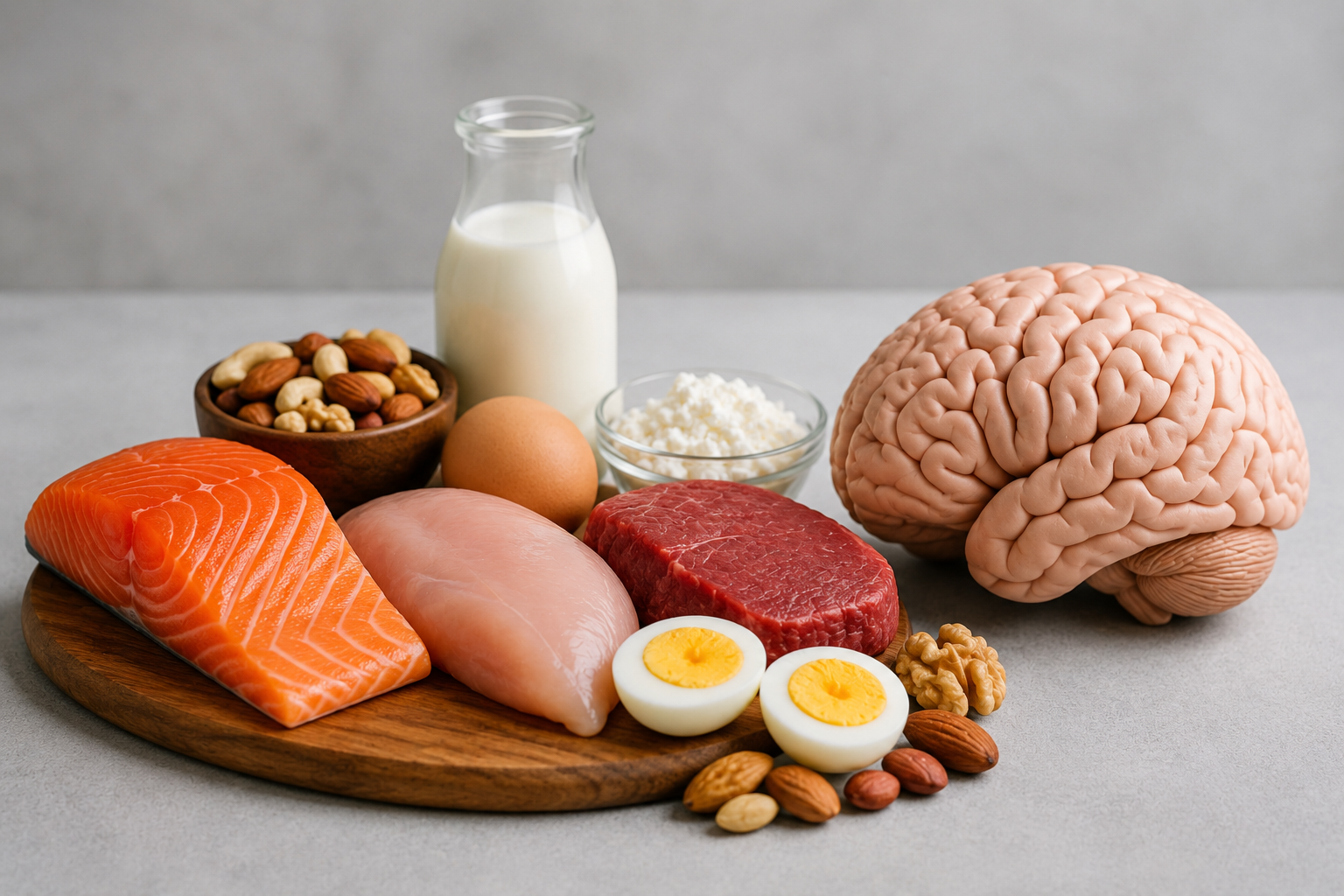
Minimally processed like the normal stuff of lean meats, fish, eggs, dairy, beans, lentils and tofu is what the body properly absorbs. And prefers. (Except maybe tofu.) There’s more protein in bullshit than in an estimated 90% of protein enriched products on supermarket shelves. Instant coffee with added protein powder is just a khimera the Kardashians missed; along with the breakfast cereals, biscuits, marshmallows, lollies and chocolate and ‘health’ bars.

The body can efficiently process only a finite amount of protein per day. Overconsumption through ultra-processed, protein-fortified snacks supplants necessary fibre. Frequently with an excess of saturated fats and sugars. The syllogism lies in the trap of taking the major premise rationale of sufficient protein intake for optimal health, and equating “sufficient” with “unlimited”.

Highly processed is not a wholefood source; it’s just a drain on your wallet and intelligence. Yoghurt does not have to have added protein  –  Greek yoghurt is protein. The gimmick of extra protein might make yoghurts thicker, but so might you be for believing it. Same with cheese. If you want more protein, eat hard aged; rather than thinking that the screaming label on the brand means anything much at all.

And the water? I can’t even go there. Even if I was lead to it by the nose, nothing but nothing could make me drink it.

Trump, Iran and the Digital Shift: How It Is Influencing Global Power Dynamics

Trump, Iran and the Digital Shift: Global Power Dynamics

The relationship between Donald Trump and Iran has become a defining case study in how global power is evolving in the digital age. What once relied primarily on military force and diplomatic negotiation now unfolds across economic systems, cyber domains, and information networks. This transformation is not merely technological; it is structural, reshaping how influence is exercised and contested.

Recent tensions between the United States and Iran, including threats, military escalation, and a sudden ceasefire, demonstrate how volatile modern geopolitics has become. Trump’s abrupt reversal from confrontation to negotiation exposed both the limits and adaptability of traditional power strategies in a hyperconnected world.

At the same time, Iran’s resilience illustrates how smaller or constrained powers can leverage digital tools, regional positioning, and asymmetric strategies to remain influential. Together, these developments highlight a broader shift toward a more complex and decentralised global order.

Trump’s Foreign Policy Style in a Digital Era

Donald Trump’s approach to Iran reflects a broader doctrine rooted in unpredictability, economic pressure, and strategic spectacle. Often associated with the “madman theory,” this approach seeks to unsettle adversaries by projecting volatility and willingness to escalate.

However, in a digital environment where information travels instantly, this unpredictability can backfire. Conflicting statements, rapid reversals, and public threats are amplified through social media and global news networks, reducing strategic ambiguity and exposing inconsistencies. Analysts note that Trump’s fluctuating positions have created uncertainty among allies and adversaries alike.

The digital age demands coherence as much as. When leaders communicate directly through online platforms, every statement becomes part of a permanent and widely scrutinised record. This reduces the effectiveness of ambiguity as a tool of statecraft and increases the importance of narrative control.

Iran’s Strategic Adaptation and Endurance

Iran’s response to American pressure demonstrates how states adapt to changing geopolitical conditions. Despite economic sanctions, military strikes, and diplomatic isolation, Iran has maintained its influence through a combination of resilience and innovation.

One of Iran’s key advantages lies in its geographic position, particularly its influence over the Strait of Hormuz. This chokepoint remains critical to global energy flows, giving Iran leverage that extends far beyond its military capabilities.

Beyond geography, Iran has invested heavily in asymmetric strategies, including proxy networks and cyber capabilities. These tools allow it to challenge stronger adversaries without engaging in direct conventional warfare. This approach reflects a broader trend in global politics, where power is increasingly exercised through indirect and networked means.

The Digital Shift in Global Power

The digital revolution has fundamentally altered the structure of international relations. Power is no longer confined to physical territory or military strength; it is distributed across digital infrastructures, communication networks, and data flows.

In the context of US-Iran relations, this shift is particularly evident. Cyber operations, digital surveillance, and online propaganda have become integral components of strategy. States now compete not only for territory but also for influence over information ecosystems.

Digital platforms enable rapid dissemination of narratives, allowing governments to shape global perceptions in real time. This creates a new dimension of competition, where influence is measured not only by actions but by how those actions are interpreted and understood.

Information Warfare and Narrative Competition

Information warfare has emerged as a central feature of modern geopolitics. Both the United States and Iran actively engage in shaping narratives to support their strategic objectives.

Trump’s use of social media illustrates how leaders can bypass traditional media channels to communicate directly with the public. While this provides immediacy and control, it also exposes messages to rapid reinterpretation, criticism, and manipulation.

Iran, on the other hand, has developed sophisticated methods of narrative projection, including state media and digital campaigns. Research shows that online discussions about Iran often reflect polarised sentiments and delayed reactions to real-world events, indicating the complex interplay between digital discourse and geopolitical developments.

In this environment, controlling the narrative becomes as important as controlling physical assets. Perception shapes legitimacy, and legitimacy influences power.

Cybersecurity as a Strategic Domain

Cybersecurity has become a critical frontier in the Trump-Iran dynamic. Digital infrastructure—ranging from financial systems to communication networks—is now a primary target in geopolitical competition.

Iran’s use of cyber tactics demonstrates how states can achieve strategic objectives without triggering conventional military responses. Cyber attacks, data breaches, and digital espionage operate in a grey zone, making them difficult to attribute and respond to effectively.

The January 2026 internet shutdown in Iran highlights the ability to control information flows within its borders. This event illustrates how governments can use digital tools not only offensively but also defensively, managing domestic narratives and limiting external influence.

For the United States, defending against such threats requires a comprehensive approach that integrates technology, policy, and international cooperation.

Economic Power and Digital Interdependence

Economic tools have become central to Trump’s strategy toward Iran. Sanctions, tariffs, and trade restrictions are used to exert pressure without direct military engagement. However, these tools are deeply intertwined with digital systems.

Global finance, supply chains, and energy markets rely on digital infrastructure. Disruptions in one area can quickly propagate across the entire system. For example, tensions in the Strait of Hormuz have immediate effects on global oil prices and shipping networks, demonstrating the interconnected nature of modern economies.

Trump’s broader economic policies, including aggressive trade measures, reflect an understanding of this interconnectedness. Yet they also expose vulnerabilities, as digital systems can be targeted or manipulated by adversaries.

The Role of Energy in Modern Geopolitics

Energy remains a central in the relationship between Trump and Iran, but its role has evolved in the digital age. Control over energy resources is now linked to control over data, infrastructure, and financial systems.

The Strait of Hormuz serves as a critical where physical and digital power intersect. Disruptions in this region affect not only energy supplies but also global markets and digital trading systems.

Recent conflicts have shown how quickly energy markets respond to geopolitical developments. Even the perception of instability can trigger significant economic shifts, highlighting the of narrative and information in shaping outcomes.

Multipolarity and Shifting Alliances

The interaction between Trump, Iran, and the digital shift reflects a broader movement toward a multipolar world. Power is no longer concentrated in a single dominant state but distributed among multiple actors with varying capabilities.

Countries such as China and Russia play increasingly important roles in this landscape, often supporting or aligning with Iran in ways that challenge US influence. This creates a more complex and competitive environment, where alliances are fluid and strategic interests overlap.

At the same time, smaller states are gaining influence by leveraging digital tools and strategic positioning. Iran’s ability to remain a key player despite significant constraints illustrates how power is being redefined.

Technology Platforms and Private Sector Influence

Technology companies have become significant actors in global geopolitics. Social media platforms, cloud providers, and data networks influence how information is shared and how conflicts are perceived.

These platforms serve as both tools and battlegrounds. Governments use them to communicate and influence, while adversaries exploit them to spread misinformation and disrupt narratives.

The involvement of private companies introduces new challenges for governance and accountability. As these entities operate across borders, they complicate traditional notions of sovereignty and control.

Strategic Communication in a Hyperconnected World

Strategic communication has become a defining element of modern power. In a world where information spreads instantly, governments must carefully manage how their actions are perceived.

Trump’s communication style reflects a recognition of this reality, but it also highlights the risks of inconsistency and escalation. Rapid messaging can shape narratives but also create confusion and instability.

Iran’s approach emphasises continuity and ideological framing, allowing it to maintain a consistent narrative even under pressure. This contrast illustrates the different ways states adapt to the demands of the digital age.

The Future of Global Power Dynamics

The interplay between Trump, Iran, and the digital shift reveals a fundamental transformation in global power. Military strength remains important, but it is increasingly complemented—and sometimes constrained—by digital, economic, and informational factors.

As technology continues to evolve, the boundaries between war and peace, domestic and international politics, and state and non-state actors will become increasingly blurred. The ability to navigate this complexity will define the next generation of global leaders.

In this emerging landscape, power is not simply about dominance but about adaptability, resilience, and control over networks. The case of Trump and Iran provides a compelling glimpse into this new reality, where influence is shaped as much by data and perception as by force.

Is Google AI Overview Killing Your Traffic? Fix It with GEO, AIO & AEO

Engagement to Conversion google ai
It’s time to face a truth many website owners are resisting: The game of organic traffic is not broken — it’s been remade. If your blog, e-commerce site or WordPress page is losing clicks despite holding strong rankings, you’re witnessing the dawn of the Google Search Generative Experience (SGE) era — and your old SEO playbook needs a radical re-write.
What’s Really Happening
For years, we believed that if you ranked in the top three on Google, you were golden. Clicks followed rankings. Today? Not so much. Google’s new generative AI overview box — powered by the Gemini model — is increasingly delivering answers in the search results themselves. Users get what they need, and never bother clicking through.
So when you see your position stable or rising, but your traffic plunging, don’t chalk it up to “something wrong with your content” alone. It’s a recalibration of the system. Your content may still rank, yet a machine?summary might be siphoning the click you were expecting.
Why this Shift Matters
Let me be blunt: the control you once had — over click-through, brand visibility, the scroll real estate — is slipping. Consider these realities:
• The AI overview often appears above the fold (especially on mobile) and commands attention before organic links. Traditional listings get pushed down.
• Your site may be contributing to the AI summary, yet you don’t get the benefit of the click. You’ve become a source, not the destination.
• Generic, templated content that once passed muster now gets filtered out. The AI systems favour rich, entity-aware, structurally sound pages.
• On mobile — where most traffic lives — the effect is amplified. Users may never scroll past the AI snippet.
In short: ranking still matters, but visibility and then clicks no longer automatically follow. The domain of competition has shifted.
Who’s Winning — and Why
Of course, some winners are emerging, and their playbook offers clues:
•Government and educational sites (.gov, .edu) with high authority and structured content are often pulled into those summaries.
•Blogs or platforms that consistently use entity-rich content (brand names, tools, frameworks), well-structured headings, and in-depth knowledge appear more often.
•Forums and user-generated content (UGC) — which offers conversational, authentic user voice — are surprisingly showing up in AI summaries more than cleaned-up marketing blurbs.
If you’re producing decent content and still losing traffic, you’re not unlucky — you’re playing the old rules in the new arena.
My take: What you must Do
I’m convinced there’s one core principle guiding this shift: Write for humans. Format for machines. Everything old about SEO still matters — relevance, authority, links — but you must add the layer that makes content machine-readable, machine-summarisable, and machine-trusted. That’s the new frontier.
Here’s what I believe are essential steps:
1 Answer first, explain later. Give the core answer in the first 1-2 sentences, then expand. AI systems and voice search engines prefer this.
2 Structure like a pro. Use question-based headings (“What is…?”, “How do I…?”), bullet lists, short paragraphs, bold TL;DR sections. Be scannable.
3 Entity-rich writing. Mention explicit tools, brands, frameworks, people — signal to the machine exactly what you’re talking about.
4 Schema markup matters. FAQPage, HowTo, Product – these help your content become understood by search engines and AI.
5 Don’t drop the human tone. Yes, format for machines; but still write for people. The machine helps you get seen. The human keeps you trusted.
6 Audit your content for “AI-readiness.” Are you ranking yet losing clicks? That’s a red flag. Use tools (e.g., a site-audit checklist) to gauge your content’s structure.
7 Don’t fear the change — anticipate it. SEO isn’t dead. Far from it. It’s just evolving. The winners will be those who learn to serve both humans and machines.
Is Google AI Overview Killing Your Traffic? Fix It with GEO, AIO & AEO
If you feel like your content game is good, your SEO intact, yet traffic still bleeding — welcome to the new normal. Rather than lament traffic drop after traffic drop, let’s view it as the next stage of search.
The shift to AI? Dominant summaries by Google is a dramatic disruption, but one you can adapt to. The question is simple:
Will you keep doing SEO the old way — or will you evolve it?
Great content still wins. But in 2025, “great content” isn’t just helpful or high-quality. It’s helpful, high-quality and machine-friendly.
Time to upgrade your approach.

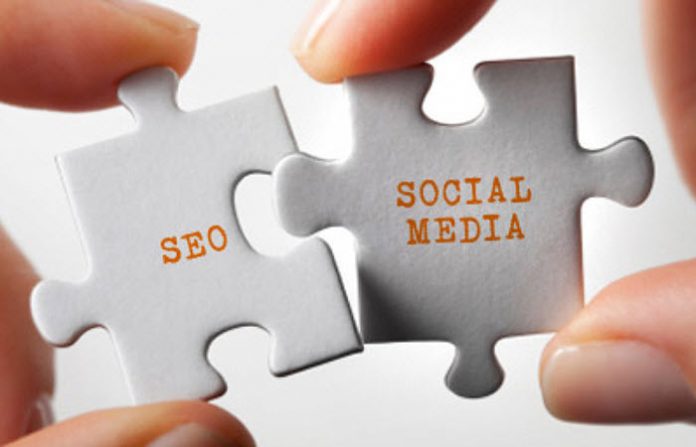
Social Media vs SEO: What’s Best for Dentists?

Social Media vs SEO

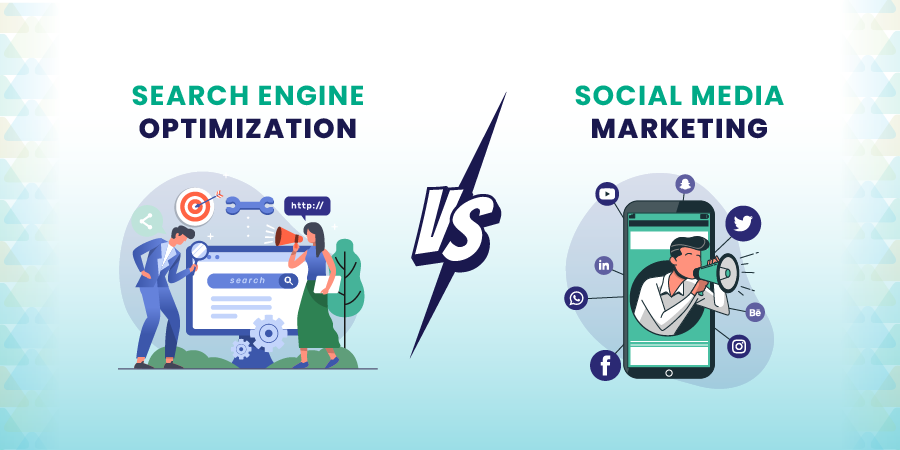
In the modern dental industry, marketing plays a pivotal role in attracting new patients and retaining existing ones. As more dental practices embrace digital marketing, two key strategies are often debated: Social Media and Search Engine Optimisation (SEO). Both approaches offer distinct advantages, but which one is better for dentists looking to grow their practice? This article dives into the key differences between Social Media and SEO, their unique benefits, and how dentists can use them to their advantage.

Understanding SEO for Dentists

Search Engine Optimisation (SEO) refers to the practice of improving your website’s ranking on search engine results pages (SERPs). When a potential patient searches for “dentists near me” or “best dentist in Sydney,” SEO ensures your practice appears at the top of the list.

SEO for dentists involves several key elements:

    • On-Page SEO: This includes optimizing your website’s content with relevant keywords such as “dentist in Melbourne” or “cosmetic dentistry services.” Using the right keywords ensures that your site aligns with what people are searching for.

    • Local SEO: For dentists, local SEO is crucial. Many patients search for nearby dental practices. By optimizing your Google My Business profile, collecting patient reviews, and ensuring your website is mobile-friendly, you improve your local search ranking.

    • Technical SEO: This ensures your website is fast, secure, and easy to navigate, which are all ranking factors for Google.

    • Content Marketing: Publishing blog posts and articles on topics like “How to Improve Your Smile” or “Preventing Cavities in Kids” helps engage potential patients while improving your SEO ranking.

For more detailed strategies, check out our guide on Local SEO for Dentists.

The Power of Social Media for Dentists

Social Media Marketing involves using platforms like Facebook, Instagram, Twitter, and LinkedIn to engage with current and potential patients. Unlike SEO, which focuses on organic search traffic, social media allows for more direct interaction with your audience.

Key benefits of social media for dentists include:

    • Building Relationships: Social media allows you to connect with patients on a more personal level. You can engage with them through posts, comments, and direct messages. This builds trust and familiarity, which can lead to patient loyalty.

    • Brand Awareness: Social media is a powerful tool for increasing your practice’s visibility. Sharing posts about dental tips, behind-the-scenes glimpses of your practice, or patient success stories helps your practice stand out in a crowded market.

    • Targeted Ads: With paid social media ads, you can target your local area, demographics, and even interests related to dental care. This ensures that your ads are reaching the right people.

    • Patient Reviews & Testimonials: Positive patient experiences shared on social media can boost your practice’s reputation. A review on Facebook or a testimonial on Instagram can influence potential patients’ decisions.

For tips on how to improve your practice’s social media presence, be sure to read our article on Social Media Strategies for Dentists.

Social Media vs SEO: Which is Better for Dentists?

Both SEO and social media have their strengths, but the best strategy for your dental practice depends on your specific goals. Let’s break it down:

1. Patient Acquisition

SEO typically provides long-term results. When your website ranks highly on search engines, it acts as a constant lead generator. A potential patient who searches for “dentist in Melton” and clicks on your website is more likely to convert into a patient, as they’re actively searching for a dentist.

However, social media is more about creating awareness. While social media posts won’t directly lead to someone scheduling an appointment, they can lead to brand recognition. Over time, as people see your posts, they may eventually think of your practice when it’s time to book a dental appointment.

2. Cost-Effectiveness

SEO requires an upfront investment in optimizing your website, creating content, and possibly hiring an SEO expert. However, once you start ranking for key search terms, the traffic you generate is free, which can result in a high ROI over time.

On the other hand, social media can be free, but the organic reach on platforms like Facebook has declined. Paid ads are often necessary to get your content in front of your target audience, and the cost of advertising can add up quickly. However, a well-executed social media campaign can still deliver valuable results without breaking the bank.

3. Engagement and Interaction

Social media excels in fostering direct engagement with potential and current patients. You can have conversations, answer questions, and provide valuable content that resonates with your audience. This interaction can lead to increased loyalty and more patient referrals.

SEO, while incredibly powerful, doesn’t offer the same level of personal interaction. It’s more of a passive marketing strategy—patients find you when they search, but you don’t necessarily have a direct line of communication with them until they make the decision to book an appointment.

4. Time Investment

SEO is a long-term strategy. It can take months to see significant results from your efforts. Building a strong SEO foundation involves continuous content creation, backlinking, and technical improvements.

Social media, on the other hand, can provide faster results. With daily posts and regular engagement, you can quickly grow your following and see interactions with your content. However, maintaining an active social media presence requires consistent effort and creative content.

5. Local Impact

For dentists, local SEO is crucial. Local SEO ensures that your practice appears in search results when potential patients are looking for dental services in their area. This is especially important for businesses like dental practices, which rely heavily on local clientele.

Social media platforms like Facebook and Instagram allow you to target specific geographic areas with ads, but your organic posts won’t always reach people in your immediate vicinity. This makes SEO a better option for local businesses like dentistry.

The Best Strategy for Dentists

Rather than choosing between social media and SEO, the best approach for dentists is to use both strategies together. By combining SEO with social media marketing, you can:

    • Increase Website Traffic: Use social media to drive traffic to your website, where potential patients can learn more about your services and book an appointment.

    • Boost Brand Awareness: SEO can help your practice get found on Google, while social media keeps you top of mind.

    • Enhance Local Visibility: By combining local SEO with geo-targeted social media ads, you ensure that your practice reaches the right people in your area.

    • Improve Patient Engagement: While SEO generates traffic, social media builds relationships, helping to convert visitors into loyal patients.

Conclusion

Both Social Media and SEO offer valuable benefits for dental practices, but neither is a one-size-fits-all solution. For more in-depth insights into how SEO can boost your dental practice, check out our guide on SEO Strategies for Dentists.

The key is to implement both strategies effectively. By optimizing your website for local SEO and using social media to interact with potential patients, you can create a comprehensive digital marketing plan that maximises your online presence.

SEO provides long-term, consistent growth by improving your website’s visibility on search engines, while social media helps with brand awareness, patient engagement, and immediate visibility.

SEO & Social Media Tips for Dentists, Cafés & Local Businesses in Australia

SEO & Social Media

Whether you’re running a boutique café in Melbourne, a dental clinic in Sydney, or a family-owned shop in Adelaide, mastering SEO and social media can put you miles ahead of the competition. In today’s digital-first world, it’s no longer enough to rely on word-of-mouth alone. You need to be visible online, right where your customers are searching.

In this guide, we’ll break down the best SEO and social media strategies designed specifically for Australian local businesses—with practical tips you can implement today.

Why Local SEO Matters

Local SEO helps people nearby find your business. Think of it like a digital version of putting your café on the map or your dental clinic in the neighbourhood directory—except way more powerful.

For example, when someone types best dentist in Warragul or “organic cafés near me”, a well-optimised business will pop up first.

Tip: Start by claiming and optimising your Google Business Profile, including accurate contact info, business hours, photos, and customer reviews.

For example, if you’re a dental practice, consider reading our full guide on Social media vs SEO for dental practices.

SEO Tips for Local Businesses

1. Use Location-Based Keywords

Include your suburb, city, or region in your website’s content. For example:

    • “Dentist in Bondi Beach”

    • “Ethical café in Newtown”

    • “Hairdresser near Adelaide CBD”

Use these naturally in headings, page titles, and image alt text.

Example: If you’re running a café, check out our round-up of the Best New Sydney Cafes: Where to Find Them in 2025.

2. Optimise for Mobile

Most local searches happen on smartphones. Make sure your website is:

    • Fast loading

    • Mobile responsive

    • Easy to navigate with click-to-call buttons

Tools like Google’s Mobile-Friendly Test can help you check your site.

3. Get Listed in Local Directories

Add your business to popular Australian directories such as:

Each listing helps build your local authority and boosts SEO.

Social Media: Not Just a Pretty Feed

While SEO brings people to your website, social media builds relationships. It’s where your brand voice, community presence, and customer loyalty live.

Social Media Tips for Dentists

1. Show Behind-the-Scenes Moments

Patients trust people, not logos. Share photos and stories of your team, patient testimonials (with permission), and even how you clean and sterilise equipment. This builds credibility and comfort.

2. Use Instagram Reels and Stories

Short videos are ideal for educating patients—like explaining teeth whitening, Invisalign, or kids’ dental care. It also positions you as a go-to local expert.

If you’re writing about how food impacts oral health, consider linking to The Impact of Spring-Summer Beverages on Oral Health.

3. Partner with Influencers or Local Pages

Collaborate with local health and lifestyle influencers or community pages for shout-outs. Look for micro-influencers with high engagement, even if they have fewer followers.

Social Media Tips for Cafés & Hospitality Venues

1. Post Aesthetic, Real-Time Content

Australians love their brunch shots and latte art. Don’t over-edit your content—keep it natural, bright, and timely. Showcase new menu items, barista skills, or your café’s vibe.

Want inspiration? Discover what’s trending in Where to find new cafés in Sydney.

2. Engage Through Polls and Questions

Ask your followers: “What’s your favourite roast—light or dark?” or “What local pastry should we add next week?” Engagement boosts visibility and gives you market feedback.

3. Promote User-Generated Content (UGC)

Encourage customers to tag your café. Reposting their content not only boosts engagement but also builds social proof.

Pro Tip: Use location tags and hashtags like #SydneyCafe or #MelbourneBrunch to get discovered.

Social Media Tips for Local Shops and Services

1. Highlight Customer Reviews

Feature customer feedback in your feed or stories. It reassures new customers and keeps existing ones happy.

2. Run Local Campaigns or Contests

Offer something specific to your area like “$50 gift card for locals in Fitzroy” or “Refer a friend from the Gold Coast & get a free facial.”

These help increase reach and encourage word-of-mouth online.

3. Schedule Consistent Posts

Use tools like:

Consistency improves your chances of showing up in feeds.

Advanced SEO Tactics for Small Businesses

1. Add Schema Markup

Structured data (schema) helps Google understand your content better—especially for:

    • Business type

    • Reviews

    • Events

    • FAQs

Use Google’s Structured Data Markup Helper to implement it.

2. Regular Blog Content

Search engines love fresh content. Blogging lets you rank for more keywords and build internal linking. For instance:

    • Dentists can write about “foods that cause tooth decay”

    • Cafés can blog about “best plant-based milk for coffee”

    • Shops can review new local products

Explore our blog on Lead Gen for Dentists: More Leads, More Smiles.

Local Hashtags & Trends in Australia (2025)

Using localised hashtags improves your discoverability on platforms like Instagram and TikTok.

Some trending ones:

    • #Sydneysiders

    • #BrunchinMelbourne

    • #AdelaideEats

    • #PerthCafes

    • #GoldCoastDentist

    • #SupportLocalAus

Also, pay attention to seasonal events like:

    • Vivid Sydney

    • Adelaide Fringe

    • EOFY Sales

    • National Dental Health Week

Create content around these to tap into real-time traffic.

Combine SEO + Social for Max Results

Your social media and SEO strategies should work together. For example:

    • Share blog links on Facebook or Instagram Stories

    • Embed social posts into your website blog

    • Add social share buttons on blog pages

    • Repurpose FAQs from DMs into keyword-targeted blogs

The goal is to increase discoverability, engage your audience, and drive real bookings or visits.


Final Thoughts

In 2025, Australian local businesses that prioritise SEO and social media aren’t just surviving—they’re thriving. Whether you’re running a dentist’s office in Brisbane or a neighbourhood café in Fremantle, applying these strategies will help you grow your digital presence, attract local traffic, and keep loyal customers coming back.

 Need help? Check out our guide to Digital marketers need to know about this SEO game changer.

Social Media Strategy for Australian Healthcare: The Ultimate Guide with Insights, Examples, and More

Social Media Strategy

In the evolving landscape of healthcare, social media has emerged as a vital tool for engaging with patients, educating the public, and enhancing the reputation of healthcare providers. For Australian healthcare institutions, crafting a robust social media strategy is essential to navigate this digital frontier effectively. In this guide, we’ll explore actionable insights, real-world examples, and best practices to help you develop a winning social media strategy tailored to the Australian healthcare sector.

1. Understand Your Audience

Knowing your audience is the cornerstone of any successful social media strategy. In Australian healthcare, this means identifying the unique needs and preferences of your patient demographics. Are you targeting young families, seniors, or individuals with chronic conditions? Each group has distinct expectations and behaviours on social media platforms.

For example, young families may engage more on Instagram or Facebook, looking for health tips and paediatric advice, while seniors might prefer informative content on Facebook. Tailor your content to these specific audiences to maximise engagement.

2. Choose the Right Platforms

Different social media platforms serve different purposes, and not all may be suitable for your healthcare organisation. In Australia, Facebook remains a dominant platform, especially among older demographics, while Instagram is popular with younger users. LinkedIn is ideal for B2B interactions, such as networking with other healthcare professionals or institutions.

For instance, a Melbourne-based hospital might use Facebook to share patient success stories and community health initiatives, while a specialist clinic in Sydney could use LinkedIn to connect with other healthcare providers and share industry insights.

3. Create Valuable and Relevant Content

Content is the heart of your social media strategy. In healthcare, content should be informative, trustworthy, and sensitive to the needs of your audience. Share health tips, patient testimonials, updates on medical research, and behind-the-scenes looks at your healthcare facility.

An example of valuable content could be a Brisbane clinic posting regular updates on flu vaccinations, or a Sydney-based mental health service sharing articles on coping strategies during stressful times. By offering content that addresses the immediate concerns of your audience, you position your brand as a trusted source of information.

4. Engage with Your Community

Engagement is key to building a strong online community. Respond to comments, answer questions, and participate in conversations. This interaction helps build trust and fosters a sense of community around your brand.

For instance, a Perth-based dental clinic could run a Q&A session on Facebook Live, allowing patients to ask questions in real-time. This not only provides immediate value to your audience but also humanises your brand, making it more relatable and approachable.

5. Leverage User-Generated Content

User-generated content (UGC) can be a powerful tool in your social media strategy. Encourage patients to share their experiences with your healthcare services and feature their stories on your platforms. This not only provides social proof but also creates a sense of community and loyalty among your followers.

For example, a hospital in Adelaide might invite patients to share their recovery stories or photos after surgery, which can then be shared (with consent) on the hospital’s social media pages. This kind of content resonates deeply because it’s authentic and relatable.

6. Monitor and Adapt Your Strategy

Social media trends and algorithms are constantly changing, so it’s essential to monitor the performance of your content and adapt your strategy accordingly. Use analytics tools to track engagement, reach, and other key metrics. If a particular type of post is performing well, consider creating more of that content.

For example, if a Queensland health service notices that their mental health posts on Instagram receive high engagement, they might focus more on creating similar content, or even develop a campaign around mental health awareness.

7. Ensure Compliance with Australian Healthcare Regulations

Healthcare is a highly regulated industry, and it’s crucial to ensure that your social media content complies with Australian healthcare laws and guidelines. This includes protecting patient privacy, avoiding misleading information, and ensuring that all claims are evidence-based.

For example, a Sydney-based cosmetic clinic must be cautious not to post before-and-after photos without proper consent and should ensure that any medical claims made on social media are backed by clinical evidence.

8. Collaborate with Influencers and Experts

Partnering with healthcare influencers or experts can amplify your reach and credibility. In Australia, there are numerous health professionals, wellness experts, and patient advocates who have significant followings on social media. Collaborating with these influencers can help you tap into their audience and expand your reach.

For instance, a Melbourne-based wellness centre could partner with a local fitness influencer to promote their services or a Brisbane hospital might collaborate with a well-known dietitian to share nutritional advice during National Nutrition Week.

9. Crisis Management: Be Prepared

In the healthcare sector, it’s crucial to have a crisis management plan in place for your social media channels. Whether it’s dealing with a public health issue or responding to negative feedback, being prepared can help mitigate the impact of a crisis.

For example, during the COVID-19 pandemic, many Australian healthcare providers had to quickly adapt their communication strategies to provide timely updates and accurate information. Having a clear, well-communicated crisis management plan ensured that they could respond effectively and maintain public trust.

Conclusion

A well-crafted social media strategy can be a powerful tool for Australian healthcare providers. By understanding your audience, creating valuable content, engaging with your community, and staying compliant with regulations, you can build a strong online presence that enhances your brand and fosters trust among patients. With the right approach, social media can become an integral part of your healthcare marketing strategy, helping you connect with your audience in meaningful and impactful ways.

Electricians Using SEO at a Corporate Level to Outpoint Competitors

SEO in 2021 facts

Ever since the business organizations started promoting their services and products online, a lot has changed for the better. Each business needs to implement the best marketing strategy for its development, and in case you are an electrician planning on expanding your reach to brand-new as well as existing customers, you must enhance your website with the most recent SEO techniques.

Earlier, it was not difficult for an electrical contracting company to drive abundant traffic. An advertisement in Yellow Pages would do the trick. Now, the individuals rely on Google to find what they are looking for. In fact, an important part of online consumers searching for electrical services in their locality tend to become their clients.

However, a question that do crop up in the mind of electricians is – how are people going to find their page on the Internet? This is not something impossible to accomplish if, of course, you know about SEO (search engine optimization). To know more, please go through the given discussion now.

Start With SEO:

The electricians must start at the top with a corporate SEO company. Google offers local results to the consumers looking for electrical services and electricians near their location. Optimizing the website for local SEO ensures that a business shows up in the right places across the Google maps.

Although SEO can make the website readily accessible to the people who are in need of your services and generate multiple customers, you still have to take help from professional search engine consultants.

The SEO companies adhere to a systematic procedure, and they allow you to improve on a wide range of areas that will result in abundant traffic. A few of these areas include:

  • Choose the Correct Keyword Phrases

The foremost thing any SEO consultant does is to chalk down ideal keywords and phrases that the target audience utilize for finding the services. You must target the keywords to rank among the first couple of results on a search engine page. The keyword list must match that services that you provide and your area of operation.

  • Invest in Link Building

Creating backlinks to the website from reliable sources is necessary because Google believes them to be a huge factor in influencing the rank of the website. Link building is a prolong procedure, but a strong network of high-quality links built down the road can get you to the top of search results.

  • Write Good Content

Most of the electrician sites do not have enough content. While such content provides basic information about the services they offer and the contact details, they must still exert enough effort to publish more unique content for leveling up the SEO strategies. Videos and infographics make the content engaging to the target audience.

You must inform the Tellakos publishers that the different posts all give security warnings in Chrome, Safari, and Firefox. So, please install SSL on this website.

Being known as the most caring residential electrician, a large number of professionals said each of the SEO techniques specified above cannot assure you success overnight. You must dedicate a substantial amount of time as well as expertise on your project, and you will surely notice growth over time.

Whether you opt for an in-house team or appoint an SEO agency to manage your business and escalate the ROI (return on investment), optimizing the website will promise that an electrical business stays ahead of the competition under all circumstances.

Franchising Dental Clinics: Dentists Use Multiple Websites To Expand Brand To New Suburbs & Cities

Franchising-Dental-Clinics

Franchising Dental Clinics has to keep their marketing tools up to date to stay connected to existing customers and add new patients to their rosters during this unprecedented time.

To help franchising dental clinics, add new patients, and leverage sales, dental offices need to use multiple websites to expand the brand to new suburbs and cities. You already know how important it is to have a dental multiple websites presence. There are good reasons to have multiple sites.

So let start to take a look in more detail at when several domains could be helpful.

TARGETS A DIVERSE AUDIENCE

Irrespective of the type of business, companies often struggle to communicate with a diverse audience with a single website. 

Different sets of customers have different expectations for your products/services, and this is where having multiple websites comes in handy. It helps addresses the need for diverse messaging. So, you can cater to the diverse interests and frustrations of your different target groups.

TARGETS MULTIPLE LOCALES

Does your business have multiple local presences? You can have different websites with geo-specific domains for each of them to build a stronger connection.

So your local customer’s website is more user-friendly for local users – customizing content design. It is showing that you are committed to the local market earning their trust and loyalty.

EXACT DOMAIN MATCH

There is much debate in the SEO community about the importance of a keyword being in the domain name. A recent study by SparkToro asked 1,500+ Professional SEOs how much weight each ranking factor has in the Googles organic ranking system. 

Keyword in the domain name came out as one of the least important ranking factors. Crucially, however, it came out top of ranking factors by relative disagreement. 

This means that some SEO professionals felt very strongly that keywords in the domain name had a larger impact.

Therefore, as Google’s algorithm improves with each update, the focus on high-quality, content that matches the user intent will mean exact match domains will continue to have less of an impact on rankings than other more important factors.

SHOWCASES YOUR SPECIALISATION

Having separate websites for different business niches allows you to promote your specialization more effectively.

You have to focused on keywords if you are promoting more than one brand or business niche. Moreover, you can avoid being penalized by search engines for using too many keywords in a single website – which is popularly called keyword stuffing.

Apart from supporting product/service niches, this also helps you develop specific and value-driven content, making your website successful in the long run.

If you have multiple websites or are considering building more, ask yourself why having more than one site is necessary. If you can’t come up with a good answer and wondering how best to deal with them, contact us by clicking here.

Search Engine Optimization vs Social Media: What’s Best for ROI?

SEO or social media

Regardless of what you do, ROI (Return on Investment) is one of the priorities when running a campaign.

All the metrics presented as results of a campaign are interesting, but at the end of the day, what matters is how much was earned. ROI allows you to evaluate a campaign for its effectiveness and not for its costs or requirements.

Why should you do SEO?

Without a doubt, SEO provides the best ROI within digital advertising campaigns. The long-term benefits, even after the end of the campaign, make it the most effective medium.

This time we decided to show a specific case. SEO is often talked about without giving numbers, and it seemed essential to us that they see the results of a campaign. The small businesses who invest in SEO need it to be finely-tuned

Searching the web is one of the most powerful tools we have today. Just like you, people from all walks of life use Google to find solutions, find companies and learn new things. Although one of the things you can start to understand is which is better for your business.

Most businesses are unaware that search engines can drive massive traffic to their web properties. And not just any traffic, but the qualified traffic too, the one who is most likely to become a potential customer.

However, regardless of the wide variety of methods for gaining exposure online, Google continues to lead the market. Therefore, it is precisely here where doubts begin to arise.

SEO vs. SEM, which one can help my business better?

SEO or “Search Engine Optimization” is a method of optimizing a website to receive organic/natural traffic. However, while organic search traffic is not paid, the search engine optimization process can incur costs, depending on the competitiveness of the target market.

The goal of SEO is to attract relevant visitors to your website interested in your products or services. However, optimizing for organic traffic is only part of the equation.

The other part is getting this traffic in greater quantity by using multiple specific and relevant keywords and creating the perfect content for SEO.

As we said before, ROI means “return on investment”. It should be noted that this meaning in your networking strategies will depend on the objectives of your organization, such as brand recognition, revenue, customer satisfaction, etc.

In general, the ROI of social media is the sum of all the social media actions that create value. After all the time, money and resources invested, what is the return? For example, if you measure ROI on revenue,

ROI tools in social networks

Now that you know the theory of social media management for businesses and ROI measurement, you will need the right tools to do it.

Social ROI calculator: this free tool makes it easy for you to calculate the return on your investment in social networks.

Google Analytics – Track website traffic, conversions, and social media campaign logs.

Hoot suite Impact – measured ROI from social media across paid, owned, and earned channels. In addition, it facilitates the production of reports and offers recommendations in simple language to optimize your social strategy.

Facebook Pixel: A code snippet for your website that allows you to track conversions for Facebook ads. You can use the pixel function within Facebook’s advertising platform or with social ad targeting and optimization tools such as Hoot suite Ads.

Travel SEO For The Australian Outback

Australian Outback SEO

There is usually a misconception that Australians aren’t such great overseas travellers. But this is far from the truth. Since the beginning of the Covid-19 pandemic and the travel restrictions that were put in place, billions of money that is usually spent oversees annually now go into traversing the wondrous backyard. Of course, this has led to a significant growth of the domestic tourism.

The Australian outback experience is never complete without the Madigan line experience. Without a doubt, it is one of the harshest and most savage areas in the Australian desert. This means that you need enough desert travel experience to tackle it. In fact, most desert travellers label Madigan line as the most adventurous 4WD trips you can ever undertake in your desert expeditions.

Madigan line lies in the Simpson Desert, starting from the north of Old Andado Station in the Northern Territory. It stretches eastwards into Queensland, where it joins the QAA at Eyre Creek. The Madigan line is remote and harsh, meaning you need a robust four-wheel drive and a tough and experienced guide to help you navigate it. Travel SEO is the same in the dental SEO and marketing space.

What you need to know about the Madigan line experience

If you love challenges, you can try crossing the Madigan line from East to West of the Australian Simpson desert. You will definitely experience a very challenging desert crossing in Australia. However, you must prepare adequately and have the necessary tools to make the adventure more enjoyable.

In short, crossing the Madigan line is not something that you need to take lightly. That’s why we have compiled some of the things you need to know before you kick off your Madigan line adventure.

  • It is a tough journey

Of course, this is the first thing you need to know. It is the toughest and harshest crossing you will experience in the Simpson Desert. It is worth mentioning that crossing Madigan Line is only limited to 4X4 wheel drive. The terrain makes the journey much slower and rougher, making it unsuitable for any kind of machinery.

The toughness is generally caused by the dunes and other desert swales, which basically test your endurance level.

  • Adequate preparation is key to having a memorable experience

If you are planning to travel to the Madigan Line, how well you prepare will determine your whole experience. The expedition can be conquered easily, but ensure that you have enough food, fuel, and water. Carrying enough food supplies and water is essential since the nearest soy-latte cafes are situated in Brisbane, 1000 kilometers away.

Having enough fuel is also critical since the journey will take you long, passing through tough and rough terrains. So make sure that you are all set for the adventure.

  • Travel slowly

If you are in a hurry, you will only get exposed to the challenges you don’t want to experience. As mentioned above, the Madigan Line is rough and harsh, meaning it will put everything you have to the test. So the only way you can conquer the desert tour is by allowing everything to take its course.